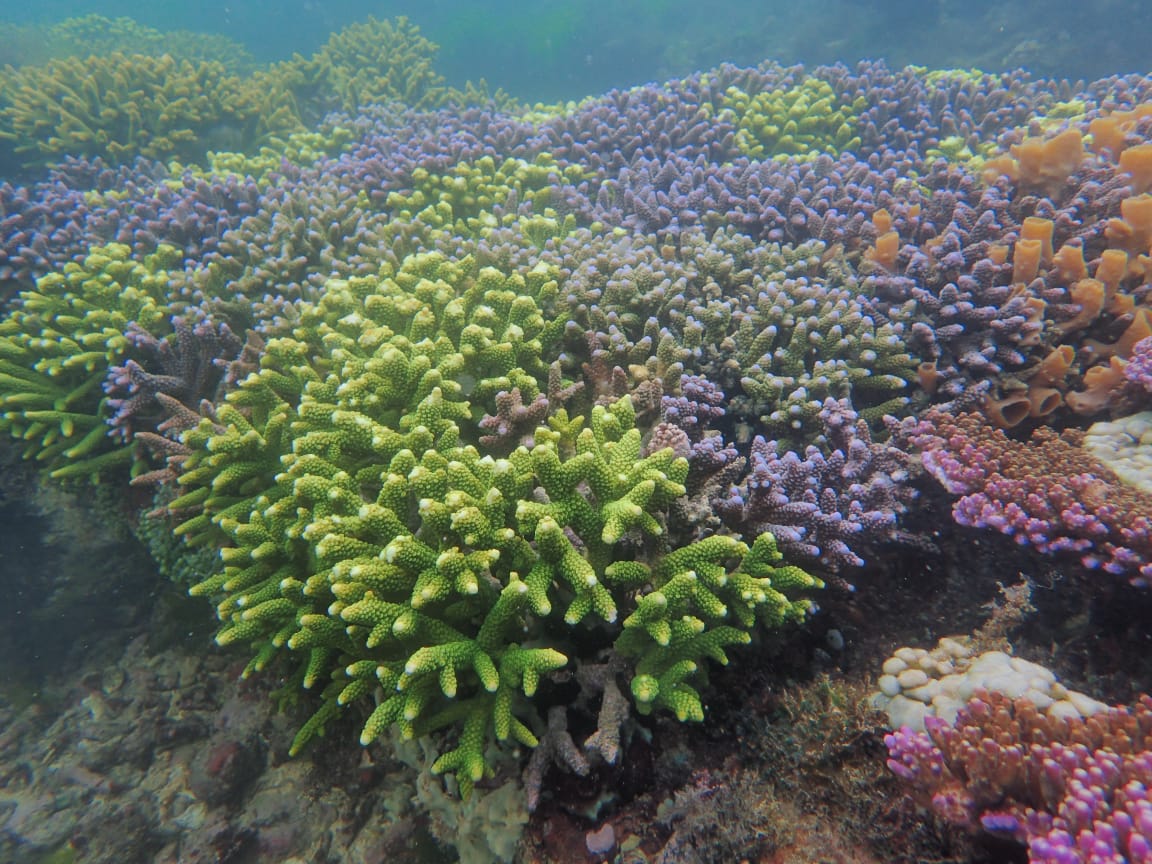
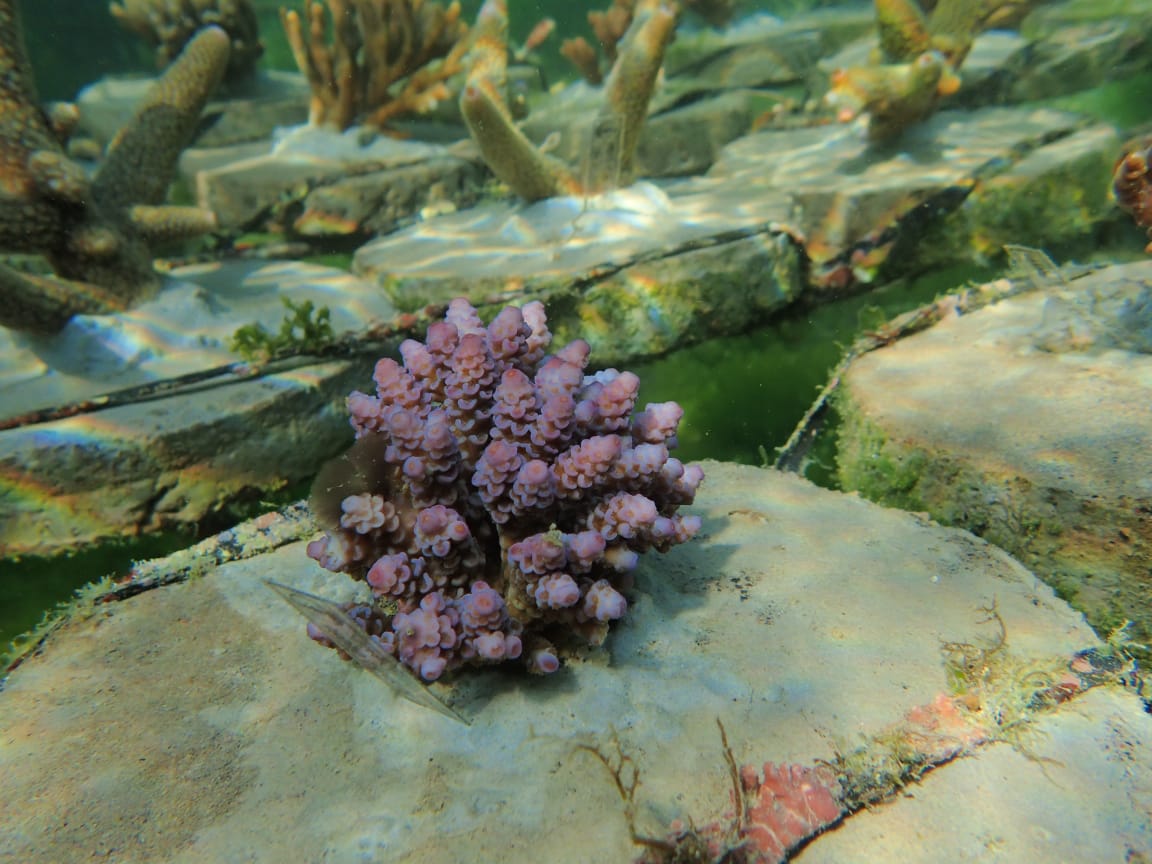
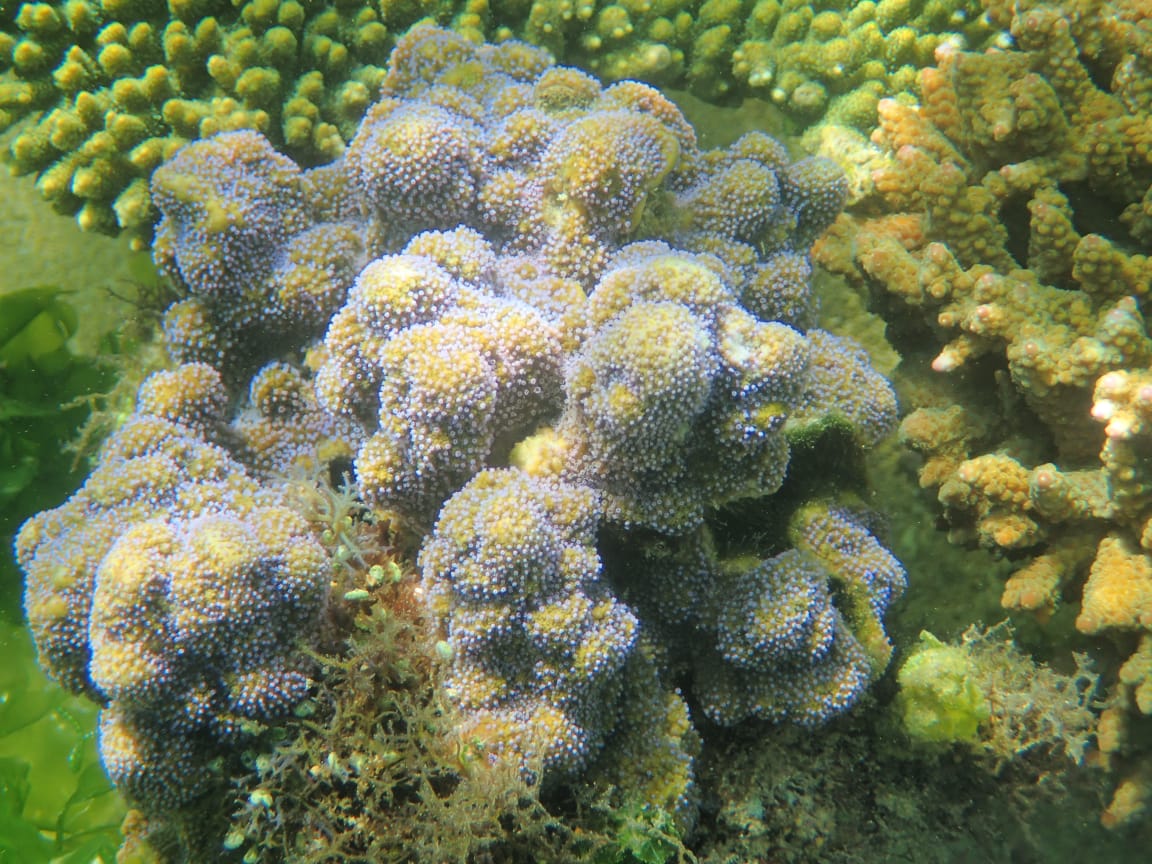
A coral reef is an aquatic ecosystem that is characterized by corals that create reefs. Coral polyp colonies are kept together by calcium carbonate to form reefs. The majority of coral reefs are made up of stony corals, which have polyps that cluster together.
Coral is a member of the Anthozoa class of the Cnidaria animal phylum, which also includes sea anemones and jellyfish. Corals secrete hard carbonate exoskeletons that help and secure the coral, unlike sea anemones. Most reefs thrive in water that is hot, shallow, clear, sunny, and agitated. At the start of the Early Ordovician, 485 million years ago, coral reefs displaced the Cambrian’s microbial and sponge reefs.
Shallow coral reefs, also known as sea rainforests, are home to some of the planet’s most diverse habitats. They cover less than 0.1 percent of the world’s oceans, about half the size of France, but they support at least 25% of all marine animals, including fish, mollusks, worms, crustaceans, echinoderms, sponges, tunicates, and other cnidarians. Coral reefs thrive in ocean waters that are nutrient-poor. Coral reefs are most often found at shallow depths in tropical waters, but they can also be found on a smaller scale in deep water and cold water.
Tourism, fisheries, and shoreline conservation all benefit from coral reef ecosystem services. Coral reefs have a global economic value of between US$30–375 billion and US$9.9 trillion per year. Coral reefs are delicate, in part due to their sensitivity to water conditions. Excess nutrients (nitrogen and phosphorus), rising temperatures, ocean acidification, overfishing (e.g., blast fishing, cyanide fishing, scuba spearfishing), sunscreen use, and adverse land-use activities, such as runoff and seeps, are all threatening them (e.g., from injection wells and cesspools).
Corals are small and large colonies of individual coral polyps that make up marine life. Coral reefs are the ocean’s coral reefs, which provide shelter and food for the majority of the world’s marine life. By providing camouflage, corals actually protect marine life from damage. Corals’ vibrant colors offer hiding places for marine fish and invertebrates with similar hues. Coral is divided into many groups. Soft corals such as mushroom coral, leathers, Xenia, sefans, and gorgonian corals are brightly colored SPS (Small Polyp Stony) and LPS (Large Polyp Stony) corals.